Retatrutide and the liver
The weight-loss figure travels widely. I’d give the liver measurement a room of its own.
MRI measurements
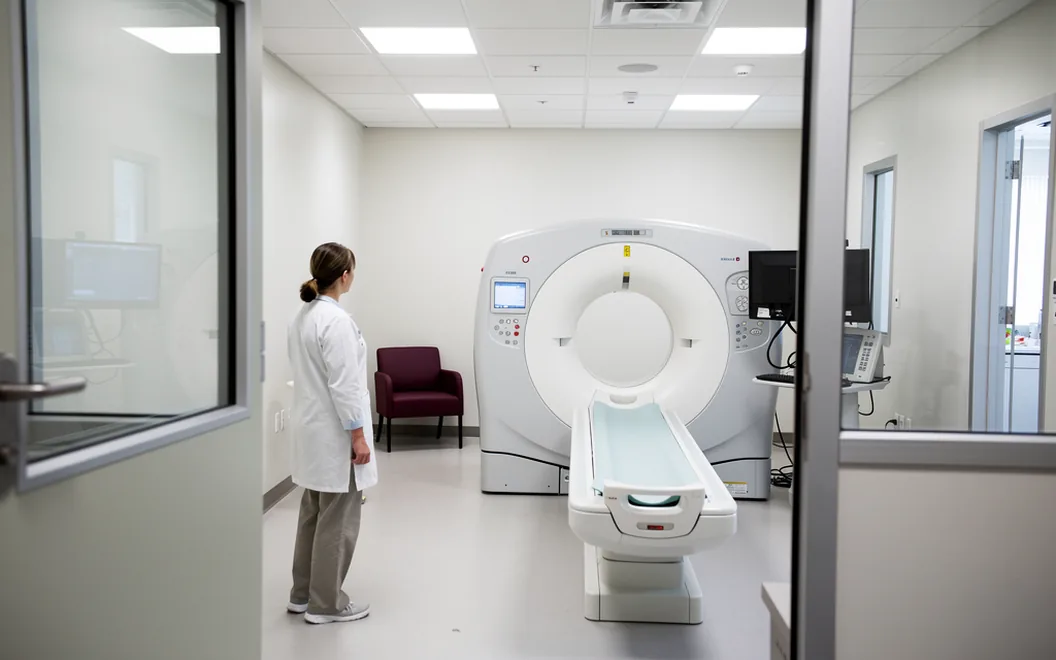
A Phase 2 liver substudy enrolled 98 adults with overweight or obesity and metabolic dysfunction-associated steatotic liver disease, or MASLD. They had no type 2 diabetes and had liver fat of at least 10% by MRI. At the trial’s 12 mg dose, relative liver-fat change was -82.4% at 24 weeks; 86% reached a liver-fat level under 5%.
The percentages describe different things. The first is change relative to the starting liver-fat measurement; the second is the proportion of participants reaching the study’s normal liver-fat threshold. Neither is a percentage of total body weight. Reductions were sustained to 48 weeks.
I prefer this close view of a tissue to another race between headline weight-loss numbers. It also leaves a worthwhile question: how do changes in fat relate to inflammation, scarring and later illness? The MRI result gives a particular answer about fat content.
Why include glucagon?
Retatrutide is a synthetic peptide designed to activate GIP, GLP-1 and glucagon receptors. The review of its pharmacology describes the intended combination: appetite and glucose control from incretin activity, with glucagon-receptor activation adding energy expenditure and effects on lipid metabolism.
Glucagon also normally tells the liver to release sugar. Glucagon’s apparent awkwardness deserves an explanation before I accept a slogan about triple agonism. The other receptor activities have to be considered alongside it. Glucose control therefore gets as much space in my assessment as body-weight change. A proposed contribution from greater energy expenditure also deserves to remain distinguishable from a direct measurement of it.
Weight and blood sugar in Phase 2
The 48-week obesity trial included 338 adults with obesity or overweight and a weight-related condition. At the 12 mg trial dose, mean body-weight change was -24.2%, compared with -2.1% on placebo. Gastrointestinal adverse events were dose-related and mostly mild to moderate.
In a separate 36-week trial involving 281 adults with type 2 diabetes, the 12 mg group had an HbA1c change of -2.02% at 24 weeks, versus -0.01% with placebo. HbA1c reflects blood sugar over time. Body-weight reduction in that group was 16.94% at 36 weeks. Mild-to-moderate gastrointestinal events occurred in 35% of participants; no severe hypoglycemia or deaths were reported. These amounts describe study treatment, with no personal regimen implied.
The glucose result supplies a useful check on the glucagon rationale: blood sugar improved in this studied population. I still wouldn’t assign the size of that improvement to any one receptor from these clinical outcomes alone.
Unequal receptor potency
The structural and receptor-assay study found different relative potencies at the three targets: 8.9-fold that of native GIP at GIPR, 0.3-fold that of native glucagon at GCGR, and 0.4-fold that of native GLP-1 at GLP-1R. These are laboratory comparisons against different natural hormones. They cannot be read as percentages of the clinical benefit.
This is where “three” becomes less informative than the relationship among the targets. I’d rather know how those unequal activities combine in particular tissues than count receptor names.
Heart rate and tolerability
In the Phase 2 obesity trial, heart-rate increases were dose-dependent and peaked around week 24. The same paper describes the gastrointestinal burden. A reassuring adjective attached to average tolerability would leave both of those findings inadequately described.
Long-term cardiovascular and kidney outcomes remain unresolved in the clinical record presented here; the review describes the continuing Phase 3 programme. The diabetes study’s absence of severe hypoglycemia also has to stay within its studied setting. Combining glucose-lowering medicines raises separate clinical questions.
Retatrutide remains investigational without FDA approval. Material obtained outside a registered trial has unverified identity, purity and sterility. There is no approved preparation or reconstitution protocol to reproduce from this site.
Community accounts
Community accounts describe quieter food thoughts, pronounced weight loss and sometimes a sense of warmth. Other accounts describe nausea, sulfur-smelling burps, constipation, fatigue and awareness of a faster pulse. These are anecdotal accounts, unverified and separate from clinical evidence; they cannot establish frequency or explain which receptor caused an experience.
The warmth claim is especially tempting because it sounds like the glucagon hypothesis made tangible. I doubt that warmth alone can settle the mechanism. The trial findings and the tissue comparison give firmer places to continue.